

Understanding the psychological pull of gambling in a casino environment
The Allure of the Casino Environment
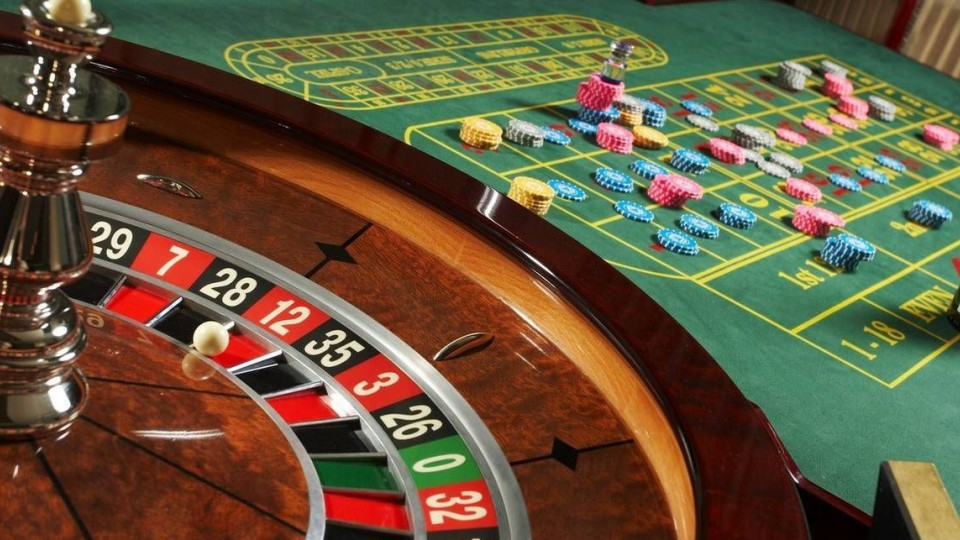
The casino environment is deliberately designed to captivate and stimulate the senses, creating an atmosphere that draws players in. Bright lights, vibrant colors, and enticing sounds contribute to an exhilarating ambiance that can ignite feelings of excitement and anticipation. From the moment individuals step inside a casino, they are enveloped in a world that promotes a sense of thrill, encouraging them to indulge in games of chance. This sensory overload can lead to an altered state of consciousness, making it easier for people to lose track of time and money. Furthermore, exploring crypto casinos no kyc is one way players can participate with less concern about identification.

In addition to sensory stimulation, casinos often employ psychological tricks to enhance their appeal. For instance, they strategically position games and machines to encourage players to engage further. By placing high-stakes tables near popular games or slot machines, casinos increase the likelihood that players will feel tempted to try their luck, even if they hadn’t initially planned to gamble. This calculated arrangement fosters a sense of urgency and excitement, compelling visitors to participate in gaming activities that they might have otherwise avoided.
The social aspect of gambling also plays a crucial role in the allure of casinos. Many individuals find enjoyment in the camaraderie that emerges from sharing a gaming experience with friends or even strangers. The interaction and shared excitement can amplify the thrill, creating an environment where people feel connected to one another. This communal experience enhances the psychological pull of gambling, transforming it from an individual activity into a shared adventure filled with potential highs and lows.
Psychological Triggers in Gambling
The psychological triggers at play in gambling are multifaceted and deeply ingrained. One significant factor is the concept of variable reinforcement, which refers to the unpredictable nature of rewards. When individuals gamble, they often experience a mix of wins and losses, with occasional big wins that create a sense of euphoria. This sporadic reward system can trigger a cycle of anticipation, reinforcing the behavior and leading individuals to return repeatedly in hopes of striking it rich again.
Moreover, cognitive biases play a substantial role in shaping gamblers’ perceptions and decisions. For example, the “gambler’s fallacy” leads individuals to believe that past outcomes influence future results. This misconception can compel someone who has experienced a string of losses to think they are “due” for a win, reinforcing their desire to continue gambling. Such biases can cloud judgment and encourage a disproportionate commitment to gambling activities, even when the odds are stacked against them.
The environment’s design also manipulates psychological triggers. Casinos employ techniques such as sound effects, flashing lights, and celebratory announcements to create a sense of victory and excitement, even in the absence of actual winnings. These stimuli serve as positive reinforcement, making players feel good about their experiences and fostering a desire to return. The manipulation of emotional responses through sensory cues is a crucial tactic that heightens the psychological pull of gambling.
The Role of Risk and Reward
The thrill of risk is inherent to the gambling experience. Many individuals are naturally drawn to situations that involve uncertainty and potential loss, as these scenarios can evoke intense feelings of excitement. The casino environment magnifies this sensation by placing participants in high-stakes situations where the possibility of winning or losing can unfold in an instant, making gambling enticing and appealing to the human instinct for adventure and thrill-seeking.
Additionally, the potential for significant financial rewards amplifies the psychological pull. The thought of winning a jackpot or hitting a major payout can be intoxicating, leading players to rationalize their continued participation despite the inherent risks. The allure of wealth can overshadow logical thinking, driving people to gamble beyond their means in pursuit of the next big win. This often leads to a cyclical pattern where the desire for reward outweighs the reality of risk.
The interplay between risk and reward creates a compelling dynamic that keeps players engaged. Each gamble provides a sense of possibility, tapping into the dream of sudden wealth and the lifestyle that accompanies it. This psychological mechanism explains why some players may chase losses, believing that luck will eventually turn in their favor. The seductive nature of risk combined with the tantalizing promise of reward maintains a strong psychological grip on individuals within the casino environment.
The Impact of Advertising and Promotion
Advertising plays a significant role in shaping perceptions about gambling. Casinos invest heavily in marketing campaigns that highlight the excitement and luxury associated with their establishments. Promotional materials often depict glamorous lifestyles, showcasing individuals who have struck it rich through gambling. This imagery can influence public perception, making gambling appear not just a pastime but a potential pathway to wealth and success.
Additionally, casinos frequently offer enticing bonuses, free plays, and loyalty rewards, which can create a sense of urgency and exclusivity. Such promotions are designed to attract new customers while retaining existing ones. The psychological impact of these incentives cannot be understated; they entice individuals to enter the casino, where the thrill of the games awaits. The promise of rewards encourages new players to take the plunge, often overshadowing the risks involved in gambling.
Moreover, social media and online platforms amplify these messages, reaching a broader audience and normalizing gambling as a form of entertainment. The omnipresence of gambling advertisements can desensitize individuals to the potential dangers, leading to an acceptance of gambling as a harmless leisure activity. This shift in perception makes the psychological pull of casinos even stronger, as individuals begin to view gambling as a routine part of social life rather than a risky endeavor.
Exploring Safe Gaming Practices
Understanding the psychological pull of gambling is essential for fostering safe gaming practices. Awareness of how casinos manipulate environments and leverage psychological triggers can empower players to make informed decisions. One effective strategy is setting strict limits on time and spending before entering a casino. By defining boundaries, individuals can mitigate the emotional highs and lows that often accompany gambling, reducing the risk of developing unhealthy habits.
Additionally, seeking out resources for responsible gambling can provide valuable insights and tools. Many casinos now offer programs and support systems for individuals looking to maintain control over their gambling behavior. Engaging with these resources can foster a healthier relationship with gambling and encourage players to seek help if they find themselves struggling with their gambling habits.